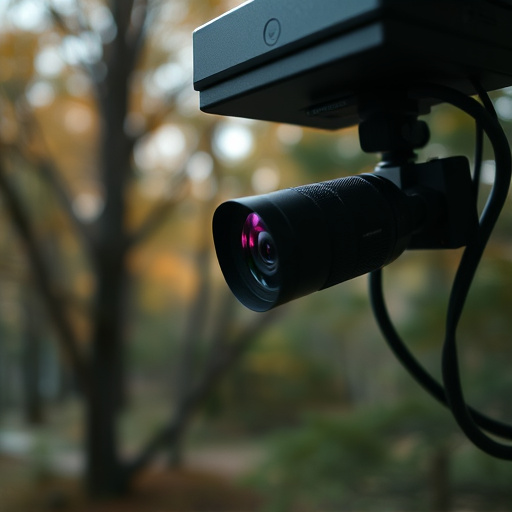
Advanced hidden cameras use radio frequency (RF) signals, making RF detection crucial for identifying their locations. Security professionals scan various frequencies with specialized equipment to triangulate signal origins and pinpoint covert cameras in places like light bulbs or smoke detectors. This multi-step approach involves metal detectors, EMF meters, infrared imaging, and meticulous documentation while respecting privacy and legal boundaries.
Uncover the hidden eyes watching from the shadows with our comprehensive guide on detecting concealed surveillance cameras using radio frequency (RF) technology. Learn how RF signals, often used in these clandestine devices, can be identified and located. This article navigates the world of RF detection methods, empowering you to safeguard privacy by identifying potential hidden camera locations. From understanding RF technology to employing advanced tools, we provide practical insights for safe and legal camera detection.
- Understanding Radio Frequency (RF) Technology in Hidden Cameras
- Methods to Detect RF Signals and Identify Concealed Surveillance Cameras
- Tools and Precautions for Safe and Legal Camera Detection
Understanding Radio Frequency (RF) Technology in Hidden Cameras
Hidden cameras, often referred to as concealed surveillance cameras, have evolved significantly in their technology, including the use of radio frequency (RF) signals for transmission. Understanding RF technology is crucial when it comes to detecting these hidden devices, as they can operate in various frequencies, from low-power bands used by WiFi and Bluetooth to dedicated high-frequency ranges. By understanding how these cameras transmit data, one can uncover their presence even in locations where visual detection might be impossible.
RF signals can be detected using specialized equipment designed to pick up on the unique patterns emitted by hidden cameras. These devices often act as signal receivers, allowing users to trace the origin of the RF transmissions. This is particularly useful in scenarios where concealed surveillance cameras are strategically placed in seemingly innocuous objects or environments, such as light bulbs, smoke detectors, or even fake rocks, making them nearly impossible to spot with the naked eye but easily detectable through RF signals.
Methods to Detect RF Signals and Identify Concealed Surveillance Cameras
Detecting hidden cameras involves a combination of advanced technology and meticulous observation. One effective method to uncover concealed surveillance camera locations is through Radio Frequency (RF) signal detection. These devices can pick up on RF emissions, which are often emitted by covert cameras designed for undetected monitoring. By scanning across various frequencies, experts can identify peculiar signals that might indicate the presence of a hidden camera. This process requires specialized equipment and knowledge to interpret the data accurately.
RF analysis can help in pinpointing the exact location of the camera by triangulating the signal’s origin. This technique is particularly useful in high-risk scenarios where security professionals need to ensure privacy and safety. By identifying suspicious RF signals, especially in areas with high population density or sensitive spaces like homes, offices, or public gatherings, one can take proactive measures to disable or remove hidden surveillance equipment.
Tools and Precautions for Safe and Legal Camera Detection
When detecting hidden cameras, it’s crucial to employ a combination of specialized tools and safe practices to ensure your privacy and legality. Start by using a metal detector or electromagnetic field (EMF) meter designed for camera detection. These devices can help identify unusual radio frequency (RF) emissions that may indicate the presence of surveillance equipment. Additionally, visual inspections with infrared cameras or thermal imaging devices are effective in revealing hidden lenses or components.
Remember to always obtain permission before searching private properties and respect the law. Wear protective gear like non-conductive gloves and goggles for safety. Avoid causing any physical damage during your search. Keep detailed notes of your findings, including dates, locations, and any unusual readings from your tools. This documentation can serve as a reference and help justify your actions if needed.
Detecting hidden cameras using radio frequency (RF) technology is a valuable skill in ensuring privacy and security. By understanding RF signals and employing appropriate tools, individuals can safeguard their personal spaces from concealed surveillance cameras. This guide has outlined practical methods to identify these devices, emphasizing legal and safe detection practices. Remember, staying informed about potential threats is key to protecting your privacy, especially when it comes to hidden camera locations.