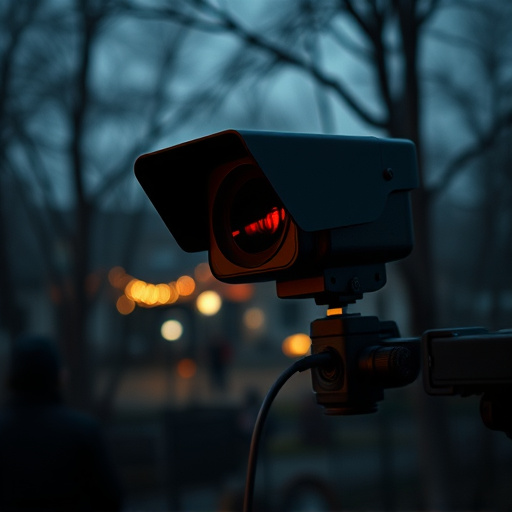
Optimizing concealed surveillance camera placement is vital for effective security and privacy measures in both residential and commercial settings. This involves strategically positioning micro cameras within everyday objects like picture frames, clocks, or even fake fire alarms while considering lighting, angles, and legal considerations to avoid infringing on individual privacy. Ethical deployment, including local regulations, consent, and secure data handling, ensures trustworthiness. Creative solutions, such as hidden cameras in lightbulbs or custom-designed hiding spots, offer discreet surveillance options. Real-world applications demonstrate enhanced security without compromising aesthetics, with successful implementations in retail display cases, urban settings, and various business operations, setting new standards for efficient and discrete monitoring.
Uncover the art of micro camera concealment with our comprehensive guide. From understanding specific surveillance needs to exploring creative hideaways for concealed cameras, this resource is your map in the world of covert observation. We delve into ethical considerations, offering insights on legal and privacy aspects, ensuring responsible practices. Discover best applications for effective surveillance and be inspired by real-world case studies showcasing successful micro camera concealment techniques – all tailored to help you navigate concealed surveillance camera locations with expertise.
- Understanding Concealed Camera Needs: A Comprehensive Overview
- Exploring Creative Micro Camera Hideaways for Surveillance
- Ethical Considerations: Legal and Privacy Aspects of Hidden Cameras
- Practical Application: Best Practices for Effective Surveillance
- Case Studies: Real-World Examples of Successful Micro Camera Concealment
Understanding Concealed Camera Needs: A Comprehensive Overview
When it comes to concealed camera placement, understanding the specific needs and goals is paramount. This involves identifying potential areas where a micro camera can go unnoticed while capturing crucial footage. From home security to professional surveillance, the locations can vary greatly. For instance, in residential settings, hidden cameras could be placed behind picture frames or within everyday objects like clocks or smoke detectors. In commercial spaces, these tiny devices might find homes in light fixtures, door handles, or even fake fire alarms—all while maintaining a discreet profile.
Knowing the right spots for concealed surveillance cameras is just half the battle; it’s equally important to consider factors such as lighting, angles, and privacy regulations. This comprehensive overview aims to guide users through the process, ensuring they can deploy these devices effectively and ethically in various environments, be it a private residence or a public area, always with an eye for detail and respect for individual privacy.
Exploring Creative Micro Camera Hideaways for Surveillance
When it comes to surveillance, creativity is key in choosing concealed surveillance camera locations. Micro cameras offer unprecedented opportunities for discreet observation, and their small size opens a world of creative possibilities. From everyday objects to custom-designed hiding spots, the options are endless. For instance, a pinhole camera disguised as a lightbulb or a miniature lens integrated into a doorknob can go unnoticed while providing vital intelligence.
In the realm of hidden camera placement, thinking outside the box is essential. Consider placing cameras in seemingly innocuous items like paintings, faux rocks, or even children’s toys to capture footage undetected. Custom solutions, such as crafting a fake power outlet that houses a camera, can provide highly effective concealed surveillance camera locations without raising suspicion.
Ethical Considerations: Legal and Privacy Aspects of Hidden Cameras
When exploring concealed surveillance camera locations, it’s paramount to navigate the ethical landscape surrounding hidden cameras. While innovative and creative solutions can enhance security measures, deploying such devices raises significant legal and privacy concerns. Understanding local laws and regulations regarding hidden cameras is crucial; consent from individuals whose activities are being monitored is often legally required, except in specific cases like public safety surveillance or business operations where privacy rights may be subject to different interpretations.
The deployment of concealed surveillance cameras must also consider the potential for abuse, ensuring that only authorized personnel have access to recorded footage and that data is stored securely to prevent unauthorized access. Respecting individual privacy rights while utilizing technology for security purposes requires a delicate balance, with transparency about camera presence and purpose serving as a key element in maintaining trust and mitigating ethical dilemmas associated with hidden surveillance devices.
Practical Application: Best Practices for Effective Surveillance
In the realm of concealed surveillance, strategic placement is key. When it comes to practical application, understanding the art of hiding in plain sight is essential for effective monitoring. The best practices involve integrating cameras into everyday objects or environments, making them virtually invisible to the naked eye. For instance, a small micro camera hidden within a plant pot can capture activity in a garden or outdoor space without drawing suspicion. Similarly, disguised as a smoke detector or light switch, these surveillance devices offer discreet yet powerful monitoring solutions.
Opting for locations that provide optimal angles and cover a wide area ensures comprehensive surveillance. Consider positioning cameras near entrances, exits, or common gathering points to capture key activities. Additionally, leveraging natural or man-made structures can enhance concealment—a camera mounted on a ceiling beam or strategically placed behind a portrait on a wall can offer covert monitoring without compromising aesthetics. Regular testing and maintenance are also vital to ensure these hidden cameras function seamlessly, delivering high-quality footage for intelligent surveillance.
Case Studies: Real-World Examples of Successful Micro Camera Concealment
In the realm of concealed surveillance, real-world applications have demonstrated innovative solutions for integrating micro cameras into everyday objects and environments. Case studies reveal successful implementations where these tiny yet powerful tools have enhanced security and observation capabilities without compromising aesthetics or disrupting daily routines. For instance, in retail settings, discreetly placed micro cameras within display cases or mannequins have proven effective in deterring theft and monitoring customer behavior, providing valuable insights for merchandising strategies.
Another compelling example is the strategic positioning of micro cameras in urban environments to monitor traffic flow, detect unusual activities, and enhance public safety. These hidden surveillance systems, disguised as streetlights or trash cans, offer a more subtle approach to security while maintaining high levels of effectiveness. Real-world adoption of such solutions underscores the versatility and potential of micro camera concealment technology in various sectors, from law enforcement to business operations, setting new standards for discreet and efficient monitoring.
In conclusion, the integration of micro cameras for concealed surveillance offers innovative solutions for various monitoring needs. By understanding specific requirements and navigating ethical boundaries, one can employ creative hideaways to capture crucial evidence discreetly. The practical application guidelines and real-world case studies presented in this guide equip readers with the knowledge to make informed decisions regarding hidden camera placement, ensuring both effectiveness and privacy integrity. When utilized responsibly, concealed surveillance cameras serve as powerful tools for enhancing security measures across diverse environments.