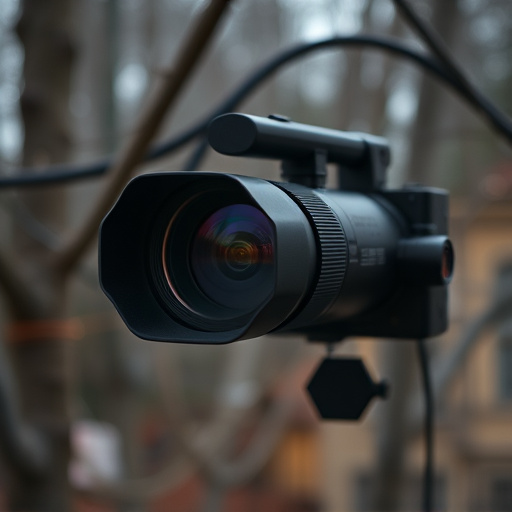
Detecting concealed surveillance cameras involves understanding heat signatures (infrared thermography), wireless signals (frequency scanning), lens distortions, power cords' electrical signatures, and digital forensics. By combining these techniques, professionals can uncover hidden camera locations, enhancing privacy protection in today's tech-driven world, specifically addressing the concern of Concealed Surveillance Camera Locations.
Uncover hidden monitoring devices with these expert tips on detecting concealed surveillance camera locations. From heat signatures and wireless signals to lens distortions and power cord anomalies, this guide equips you with essential techniques for identifying covert observation points. Learn how to employ frequency scanning, digital forensics, and more, to ensure your privacy in today’s tech-driven world.
- Detecting Infrared Cameras: Heat Signatures and Reflections
- Identifying Wireless Signals: Frequency Scanning Techniques
- Analyzing Lens Distortions: Uncovering Hidden Perspectives
- Understanding Power Cords: Unusual Electrical Signatures
- Using Digital Forensics: Unmasking Metadata Hiding Places
Detecting Infrared Cameras: Heat Signatures and Reflections
Detecting infrared cameras, often used in concealed surveillance, involves understanding heat signatures and reflections. These devices capture thermal energy, converting it into an image based on temperature differences, leaving a unique heat signature. To identify such cameras, look for areas where warm objects reflect heat abnormally; this could be due to the camera’s lens or sensor.
One effective method is to use infrared thermographic imaging, which reveals temperature variations in surroundings. By scanning potential hidden camera locations with specialized equipment, you can detect anomalous heat patterns indicative of an active infrared surveillance device. Staying informed about these techniques empowers individuals and organizations to protect their privacy by spotting concealed surveillance camera locations.
Identifying Wireless Signals: Frequency Scanning Techniques
Identifying wireless signals is a crucial step in detecting hidden monitoring devices, especially in concealed surveillance camera locations. One effective technique involves frequency scanning, which allows experts to uncover active transmissions. By using specialized equipment, they can sweep through various radio frequencies, identifying unique patterns indicative of surveillance equipment. This process requires patience and precision, as even the slightest interference or signal fluctuations can provide valuable leads.
Through frequency scanning, professionals can pinpoint hidden cameras or microphones by recognizing specific bandwidths commonly used by these devices. It’s essential to understand that different types of surveillance gear operate on varying frequencies, making it possible to filter out natural or common signals, leaving only those from covert monitoring equipment. This method is a powerful tool in the arsenal for privacy protection and security professionals who aim to uncover hidden surveillance setups.
Analyzing Lens Distortions: Uncovering Hidden Perspectives
Analyzing lens distortions can be a powerful technique in uncovering hidden surveillance camera locations, offering an alternative approach to traditional detection methods. Cameras, especially those designed for concealment, often exhibit unique visual artifacts when their lenses are not perfectly aligned or when they capture images at unconventional angles. These distortions might include curved lines, distorted perspectives, or unusual warping effects that deviate from what would be expected in a normal scene.
By studying these lens anomalies, security professionals and privacy advocates can gain valuable insights into the presence of concealed cameras. For example, a slight bend in a door frame or an unexpected curvature in a wall corner might indicate the presence of a camera positioned at a non-standard angle. This method is particularly useful when combined with other detection techniques, as it allows for a more comprehensive assessment of potential hidden surveillance devices, addressing the growing concern over Concealed Surveillance Camera Locations.
Understanding Power Cords: Unusual Electrical Signatures
Power cords, often overlooked, can be a crucial clue in detecting hidden surveillance cameras. These cables carry electrical power to devices, and their unusual signatures can reveal the presence of concealed cameras. When a surveillance camera is installed discreetly, it still requires power, leaving an imprint on the local electrical grid.
Electrical engineers and security experts can analyze these patterns to identify anomalies that may point to hidden surveillance equipment. Unusual spikes or dips in current, irregular voltage fluctuations, and unexpected frequency variations are all potential indicators of a concealed camera’s power consumption. Understanding these electrical signatures is a valuable skill in navigating the world of concealed surveillance camera locations.
Using Digital Forensics: Unmasking Metadata Hiding Places
Digital forensics plays a pivotal role in uncovering hidden surveillance camera locations by delving into the metadata associated with digital images and videos. Metadata, often overlooked, can provide crucial clues about the origin and history of a file, including its time and date stamps, geographic coordinates, and even device information. By employing specialized tools and techniques, forensic experts can extract and analyze these hidden data points to identify suspicious patterns or anomalies indicative of concealed surveillance devices.
For instance, examining video metadata might reveal unusual timestamps or geotagging information that deviates from the expected pattern. Additionally, digital forensics can uncover hidden exif data within image files, which could include details like camera make and model, settings used, and even unique identifiers linked to specific surveillance systems. These insights help in identifying potential concealed surveillance camera locations, enabling professionals to take appropriate measures and protect privacy in today’s tech-driven world.
Uncovering concealed surveillance camera locations requires a multifaceted approach. By combining techniques such as detecting heat signatures, scanning wireless signals, analyzing lens distortions, identifying unusual electrical signatures, and employing digital forensics, individuals can significantly enhance their chances of spotting hidden monitoring devices. These methods empower users to navigate the digital landscape with awareness, ensuring their privacy is protected in today’s surveillance-conscious world.