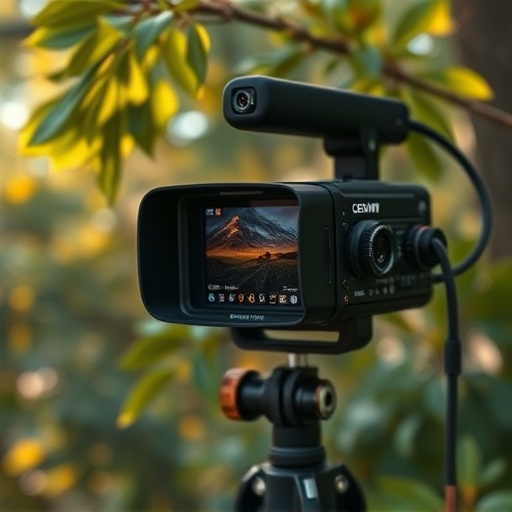
Wireless surveillance equipment offers powerful yet discreet monitoring solutions, with features like motion detection and high-definition footage. Detecting concealed cameras requires technological knowledge and keen observation, as modern spy camera technology can be sophisticated. Security professionals use advanced tools like thermal imaging and RF detection to uncover hidden equipment, ensuring thorough inspection while respecting legal and ethical standards regarding location privacy. Adhering to strict guidelines on installation and data use is crucial for maintaining public trust in surveillance activities.
Uncover hidden secrets with our comprehensive guide on detecting concealed surveillance camera locations. In an era where wireless technology is omnipresent, understanding the capabilities of these devices is crucial for privacy and security. From identifying subtle clues to employing advanced techniques, this article equips you with essential tips. Learn about key factors, legal implications, and ethical considerations related to locating hidden cameras. Stay informed and protect your personal space in today’s digital landscape.
- Understanding Wireless Surveillance Equipment and Their Capabilities
- Key Factors to Consider When Detecting Concealed Camera Locations
- Advanced Techniques for Uncovering Hidden Surveillance Devices
- Legal Implications and Ethical Considerations in Surveillance Equipment Location Detection
Understanding Wireless Surveillance Equipment and Their Capabilities
Wireless surveillance equipment, including cameras and listening devices, offer advanced capabilities for monitoring and security. These tools are particularly useful due to their ability to be discreetly placed in various locations, making them ideal for hidden or concealed surveillance camera spots. From compact, unnoticeable devices that can fit on walls or ceilings to more sophisticated setups with remote access, these systems provide real-time data and footage.
Understanding the range of capabilities and features available is key when selecting the right equipment. For instance, many modern wireless cameras offer motion detection, night vision, and high-definition video quality, allowing for detailed monitoring. Additionally, some devices can be integrated with other security systems, enhancing overall surveillance efficiency. Knowing these specifications helps users identify suitable concealed surveillance camera locations to meet their specific needs, ensuring comprehensive coverage without compromising on discretion.
Key Factors to Consider When Detecting Concealed Camera Locations
When trying to detect concealed surveillance camera locations, several key factors come into play. First and foremost, understanding the technology involved is crucial. Modern hidden cameras can be incredibly small and sophisticated, integrating seamlessly into everyday objects like pens, keys, or even clothing. Therefore, it’s essential to stay updated with the latest advancements in spy camera technology to identify potential hidden devices.
Visual cues and patterns can also serve as red flags. For instance, unusual markings or modifications on an object, irregular shapes, or unexpected placement might indicate a surveillance camera. Additionally, looking for power sources is vital; hidden cameras often require a consistent power supply, which could be an electric outlet, USB port, or even a concealed battery pack. Profiting from these clues and employing specialized detection tools can significantly aid in locating concealed surveillance camera locations.
Advanced Techniques for Uncovering Hidden Surveillance Devices
In the quest to uncover hidden surveillance equipment, professionals employ advanced techniques that go beyond conventional methods. One of the most effective strategies involves utilizing specialized thermal imaging cameras. These tools detect heat signatures, making it possible to identify devices hidden behind walls or in spaces where temperature differences exist. By analyzing heat patterns, experts can pinpoint the exact location of concealed cameras and other surveillance equipment.
Additionally, radio frequency (RF) detection is a game-changer in locating hidden surveillance devices. RF signals are commonly used for data transmission, and specialized detectors can capture these signals to uncover hidden cameras or trackers. This technique is particularly useful in navigating labyrinthine spaces or identifying remnants of surveillance equipment that may have been left behind. By combining thermal imaging with RF detection, security professionals can thoroughly inspect areas and ensure there are no concealed surveillance camera locations lurking within.
Legal Implications and Ethical Considerations in Surveillance Equipment Location Detection
The use of wireless surveillance equipment, especially concealed cameras, raises important legal and ethical considerations regarding location detection. In many jurisdictions, the installation and operation of such devices are subject to strict regulations to protect individual privacy rights. Unlawful or unauthorized placement of hidden cameras can lead to severe legal consequences for those responsible, including fines and imprisonment.
When detecting or investigating concealed surveillance camera locations, it’s crucial to approach the process ethically and legally. This involves obtaining proper authorization before conducting any search or surveillance activities, respecting individuals’ reasonable expectations of privacy, and ensuring that data collected is used solely for its intended purposes. Professional investigators or law enforcement agencies must stay within legal boundaries to maintain public trust and integrity in their operations.
In the quest to uncover concealed surveillance camera locations, a combination of technical expertise and legal awareness is paramount. By understanding the capabilities of wireless surveillance equipment and employing advanced detection techniques, individuals can navigate this complex landscape responsibly. Key factors like signal strength, unique identifiers, and physical anomalies serve as valuable clues. However, it’s crucial to remember that illegal or unethical use of these methods carries significant legal implications. Therefore, always prioritize ethical considerations and adhere to relevant regulations when investigating concealed surveillance cameras.