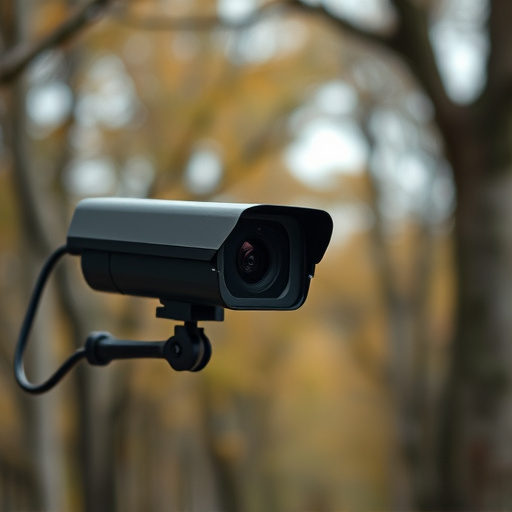
Identifying concealed surveillance cameras is a crucial skill in modern security due to the increasing prevalence of hidden cameras in residential and commercial spaces. Experts employ visual inspection, infrared imaging, thermal detection, and light pattern analysis to uncover these devices. Staying updated on disguised equipment trends is key to effective detection. Professional methods include using infrared thermal imaging, high-resolution flash units, RF detectors, and spectrum analyzers. The lights test offers a practical solution for detecting hidden cameras in public spaces without causing disruption, adhering to privacy laws and ethical guidelines.
Hidden cameras, often disguised as everyday objects, pose a significant threat to privacy. This article delves into the world of disguised camera identification using lights test, exploring techniques for detecting these covert devices. We examine the science behind light’s role in concealment and discuss advanced testing methods. Additionally, we uncover practical applications and considerations for consumers and professionals alike, shedding light on how to identify concealed surveillance camera locations effectively.
- Understanding Disguised Camera Identification
- The Role of Light in Concealment
- Testing Methods for Hidden Cameras
- Practical Applications and Considerations
Understanding Disguised Camera Identification
Disguised camera identification, also known as hidden camera detection, is a critical aspect of modern surveillance and security. With advancements in technology, cameras have become smaller, more versatile, and easier to conceal. This has led to an increase in the use of concealed surveillance camera locations for both residential and commercial security purposes. Understanding how to identify these hidden devices is essential for maintaining privacy and safety.
The process involves a combination of visual inspection, specialized tools, and expertise. Experts look for unusual lighting patterns, subtle glitches on walls or surfaces, or unusual heat signatures that could indicate the presence of a camera. Advanced techniques include infrared imaging and thermal detection, which can reveal hidden cameras not visible to the naked eye. Staying informed about the latest trends in disguised surveillance equipment is crucial for effective detection and prevention.
The Role of Light in Concealment
In the realm of concealed surveillance camera identification, light plays a multifaceted role in both detection and concealment. The strategic use of lighting can significantly enhance or hinder the visibility of cameras, making it a critical factor in successful surveillance operations. For instance, well-placed lights can provide a natural cover, reflecting off surfaces to disguise the camera’s position while still capturing clear footage.
However, the same light that aids in concealment can also be an ally for those seeking to uncover hidden cameras. Skilled investigators learn to analyze lighting patterns and shadows, using them to identify unusual placements or distortions that might indicate a surveillance device. Thus, understanding the interplay between light and its potential to both protect and reveal is paramount when navigating the art of identifying concealed surveillance camera locations.
Testing Methods for Hidden Cameras
When it comes to identifying concealed surveillance cameras, professionals employ various testing methods tailored to different scenarios and camera types. One common approach is visual inspection, where experts use specialized tools like infrared thermal imaging cameras or high-resolution flash units to detect heat signatures or reflectivity that might indicate a hidden camera. These methods are particularly useful for locating cameras disguised within everyday objects or installed in difficult-to-reach areas.
Another effective technique involves signal analysis, especially with RF (radio frequency) detectors and spectrum analyzers. This method is crucial for identifying wireless cameras, as it can pick up on the unique radio signals these devices emit. By scanning through various frequencies, security professionals can pinpoint the exact location of hidden surveillance equipment, even if they are not readily visible.
Practical Applications and Considerations
In the realm of concealed surveillance, identifying hidden camera locations has become a critical aspect of privacy protection and security enhancement. The lights test offers a practical application to uncover such devices discreetly. This method is particularly useful in public spaces, events, or private residences where cameras might be strategically placed without notice. By analyzing light patterns, shadows, and reflections, individuals can detect unusual configurations that may indicate the presence of hidden lenses, thereby uncovering concealed surveillance camera locations.
Considerations for practical implementation include ensuring minimal disruption to normal activities while maintaining effectiveness. Privacy laws and ethical guidelines must also be adhered to during such operations. Moreover, combining this technique with advanced imaging software or thermal imaging technology can further refine the detection process, making it a valuable tool in modern security protocols.
Disguised camera identification using lights offers a novel approach to detecting concealed surveillance cameras, addressing the growing need to safeguard privacy. By understanding the interaction between light and materials commonly used in camera housings, professionals can employ effective testing methods, such as analyzing light patterns and spectral signatures. This technology is crucial for identifying hidden cameras in various settings, from homes to public spaces, ensuring peace of mind and data security. With ongoing advancements, the future looks bright for revolutionizing privacy protection against these subtle yet powerful tools.